QA & Automation Process
TekDatum's QA Managed Services are specially designed to support your product, project, and team.
Our team of experienced QA Automation Engineers will work closely with your development team to create a customized testing strategy that fits your specific needs. Thus, you can expect:
Cost savings
We will take care of all aspects of your QA Automation, including sourcing, training, and managing the QA team, which can save you time and money on recruiting, onboarding, and retention costs.
Predictable costs
You will know the exact costs of the service and can budget accordingly, without having to worry about unexpected expenses or delays.
High-quality work
Our team of experienced QA Automation Engineers will ensure that your software is thoroughly tested and that any issues are addressed before the product is released to the market, reducing the risk of negative feedback and customer churn.
Continuous improvement
We will continuously monitor and improve the testing strategy to ensure that it is optimized for your product, resulting in higher quality and more reliable software.
Flexibility
Our team can adapt to changes in your business needs and technology landscape, ensuring that your software is always up to date and meets the latest industry standards.
TekDatum will be present throughout the quality assurance process, with the best communication practices in order to define, design and build your product with a clear understanding of your business and goals.
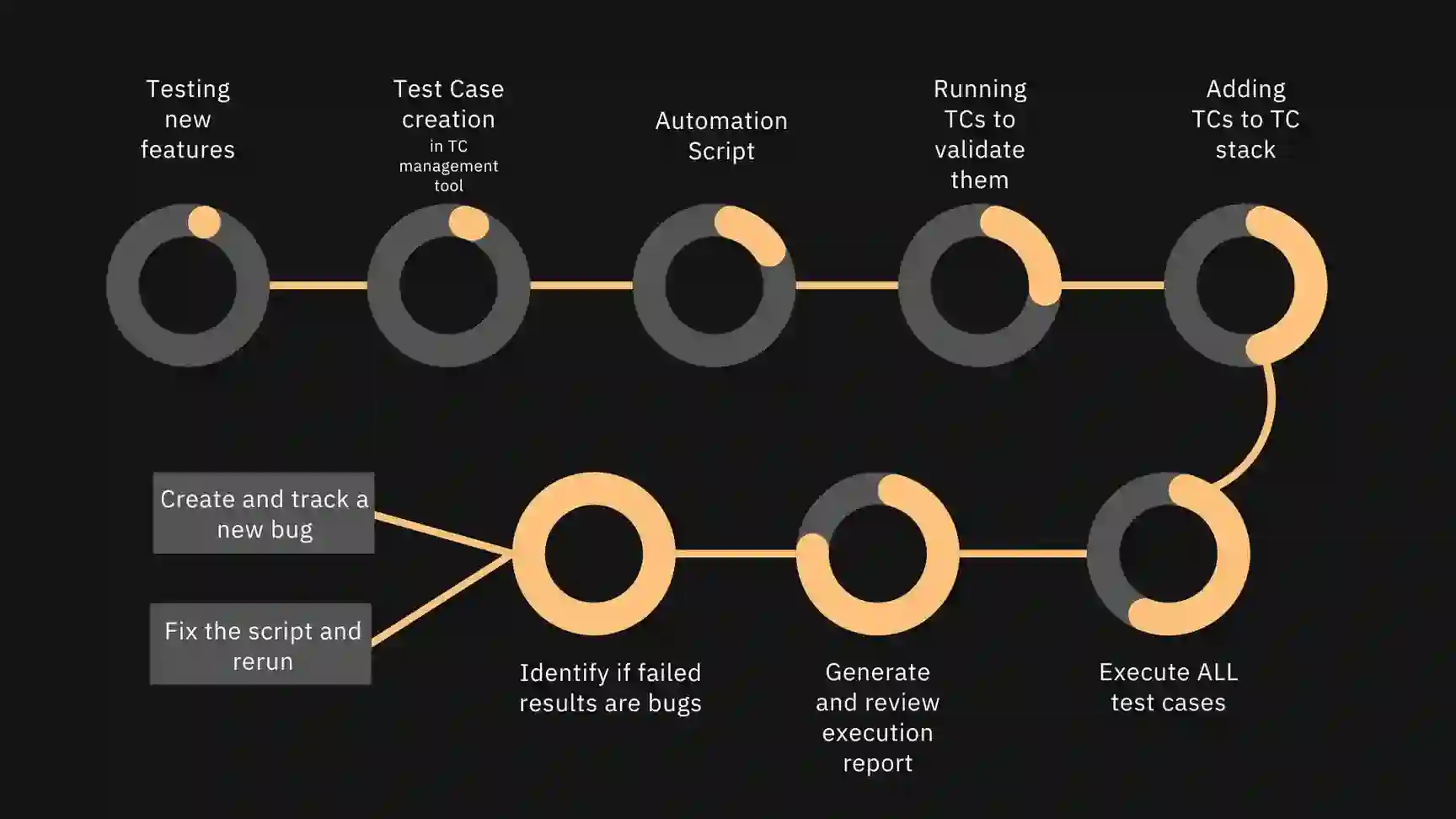
Standard Test Case Creation and Automation Flow at TekDatum
Requirements Review
QA team reviews requirements documents during each sprint cycle and performs exploratory testing to understand the feature requirements better. The QA team meets with BAs and Devs if any clarifications are needed. Besides, they also review wireframes and prototypes in preparation for the test process. Prior to testing, they will define areas and sub-areas to test after meeting with stakeholders such as product managers, business analysts and developers.
Environment Setup
QA team will build or request a QA server for testing purposes, completely separate from development or production servers, define automation tools for running regression tests, define general processes regarding builds installations, and define and set up clients (browsers and mobile devices) for testing. Our team must set up a project using QA tools for bug tracking, case management, and so on.
Test Case Design
This activity corresponds, in essence, to the creation of the Test Plan. Each user story will have at least one test case that covers its functionality. We can use different test case management tools such as TestLink, TestRail, APTest and others.
Test Case Execution
With a stable build and a test plan designed, the QA team will perform each test case automated via scripts or executed manually by a tester. The test management tools can be used to provide you with an overview of the status of these tests and detect issues along the way.
Bug Management
We follow a structured bug lifecycle scheme to ensure every defect is tracked, prioritized, and resolved efficiently. Bug statuses include Open (In Progress, Waiting for Info), Resolved, and Closed. Bug resolutions cover Fixed, Cannot Reproduce, Duplicate, By Design, and Won't Fix.
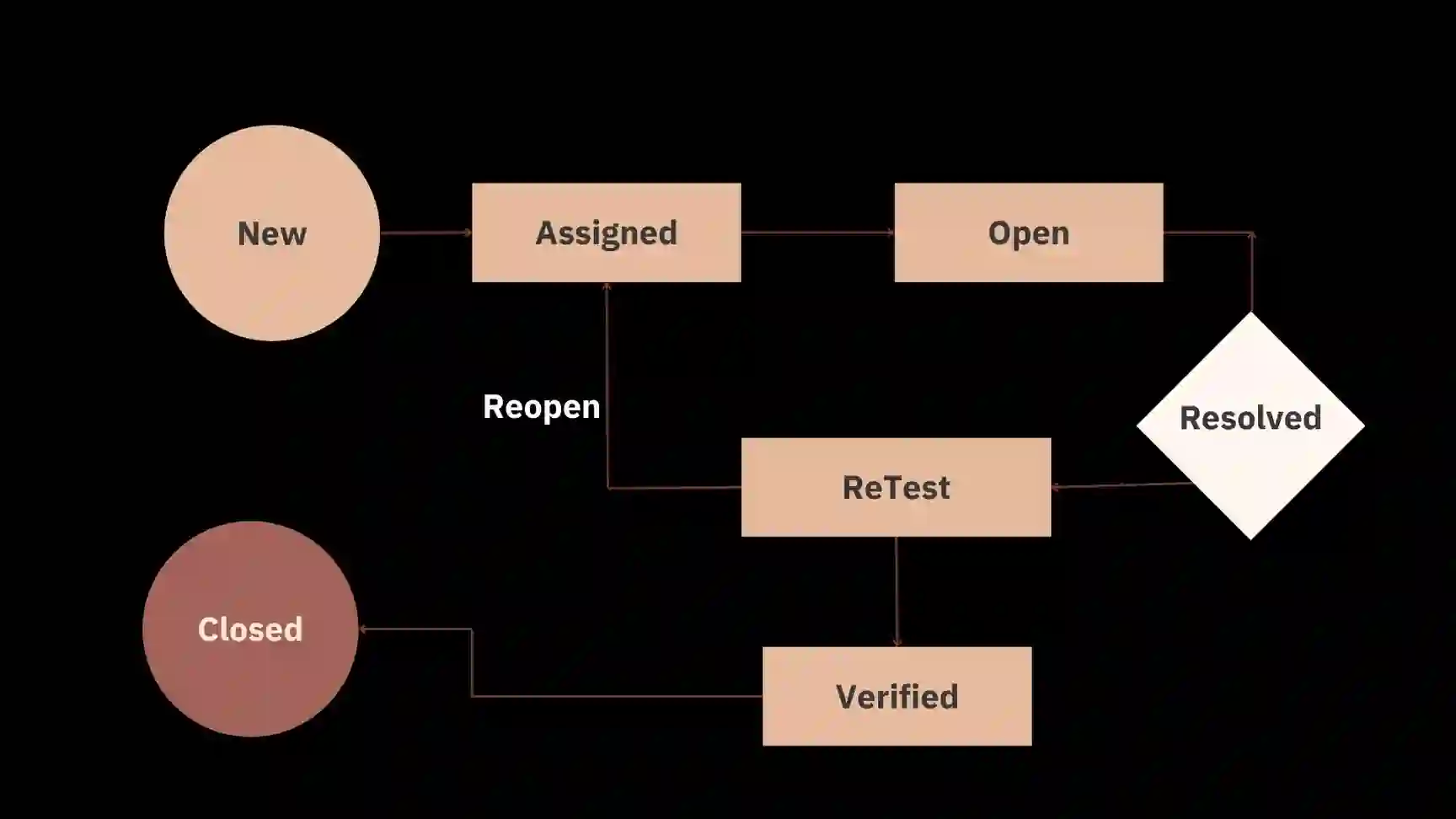
Bug Lifecycle at TekDatum
Regression Test
The team performs all parts of the regression testing process and ensures that any new changes did not break anything in existing features. They perform manual and automated tests to ensure that the software works correctly as designed by development. Depending on your requirements, we can perform web API automation (REST and SOAP services) and verify that it is working as expected.
Reports
Reports provide the information you need for timely decision making. Daily QA Reports provide information about bugs and areas of the system that need your attention. If you need more detailed analyses, historical reports and regression tests are available. The QA team can also provide ad-hoc reports for special needs of the project manager or other stakeholders of the process.
Data Science Process
We implement our solutions using the following pattern:
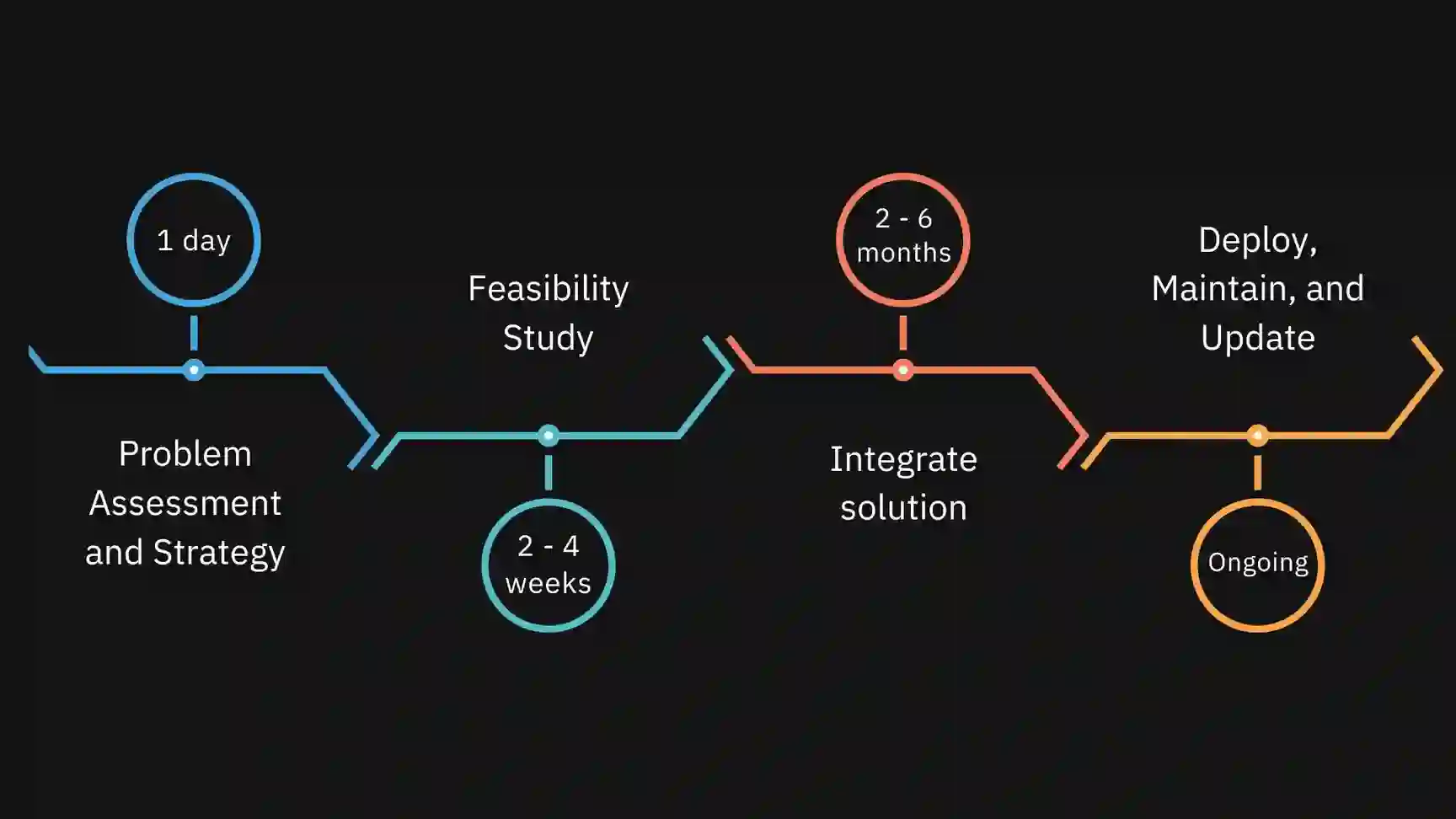
Data Science Process at TekDatum
During each project, we employ agile practices to implement each stage:
Problem Definition
In this stage, the problem is defined in clear, measurable terms. It involves working with stakeholders to identify the business problem or opportunity that needs to be addressed, limiting the scope of the project, and determining the success criteria.
Data Collection
Once the problem is defined, the next step is to identify the data sources that will be used to solve the problem. This involves collecting and storing the data in a way that is consistent with the project goals.
Data Preparation
In this stage, the data is transformed and cleaned to ensure it is accurate and ready for analysis. This may include removing duplicates, filling in missing values, and converting data types.
Exploratory Data Analysis (EDA)
In EDA, the data is explored to identify patterns, relationships, and trends that may be relevant to the problem being addressed. This can involve visualizing the data and performing statistical analysis.
Feature Engineering
Feature engineering is the process of selecting and transforming the variables in the data to create new, meaningful features that can be used to build predictive models.
Model Building
In this stage, predictive models are developed using statistical algorithms or machine learning techniques. The models are trained on the data and evaluated to determine their accuracy and performance.
Model Deployment
Once the model has been developed, it is deployed in a production environment where it can be used to make predictions or inform business decisions.
Model Monitoring and Maintenance
As data changes over time, the performance of the model can deteriorate. In this stage, the model is monitored to ensure it continues to perform well and is updated as needed.
Agile Software Development
A Customer-Focused Approach to Delivering High-Quality Software Products
Software development is the process of designing, coding, testing, and maintaining software. It is a complex process that involves different stages and requires a range of skills and tools.
At TekDatum, we use agile software development to quickly and efficiently deliver high-quality software solutions. Our process involves analyzing the client's requirements, creating a backlog, prioritizing tasks, breaking them into sprints, and conducting retrospectives. This approach allows us to be flexible and adaptable in a fast-paced business environment, delivering the best possible value to our clients.
We work in an agile process with the following stages:
Planning and Discovery
This involves defining the problem the software will solve and identifying the requirements for the software. This stage is critical, as it lays the foundation for the rest of the development process. A software development team will typically work with stakeholders to identify the problem and the requirements for the software.
Design
Once the requirements for the software have been identified, the next stage is design. In this stage, the software development team will create a design for the software. This may involve creating diagrams or mockups of the user interface, as well as designing the overall architecture of the software.
Iterative Development
After the design has been completed, the software development team will begin coding the software. This involves writing the code that will implement the functionality of the software. Depending on the complexity of the software, this stage may take a significant amount of time. We employ the latest AI technologies to make our coding effort more productive and accurate.
Testing and Quality Assurance
Once the code has been written, the software development team will begin testing the software. This involves running the software and checking for bugs and errors. Testing is a critical stage of the software development process, as it ensures that the software is working correctly and meets the requirements identified in the planning stage. Our team will also conduct user acceptance testing to ensure that the software is intuitive and easy to use.
Deployment and Release
The final stage of the software development process is deployment. This involves making the software available to users. Depending on the nature of the software, this may involve deploying the software to a web server or making it available for download. Our team will provide ongoing support and maintenance to ensure that the software continues to meet your needs and deliver value over time.
Overall, our Agile software development process is designed to help you achieve your goals quickly and efficiently, while also ensuring that the software meets your requirements and delivers value to your users. If you're looking for a partner who can help you bring your vision to life, we'd love to work with you.